
The Most Prescribed Rehabilitation Exercises by Physiotherapists: A Complete Guide for Patients
Discover the most prescribed rehabilitation exercises by physiotherapists, their importance, how to perform them correctly, and how to avoid mistakes to optimize your recovery.
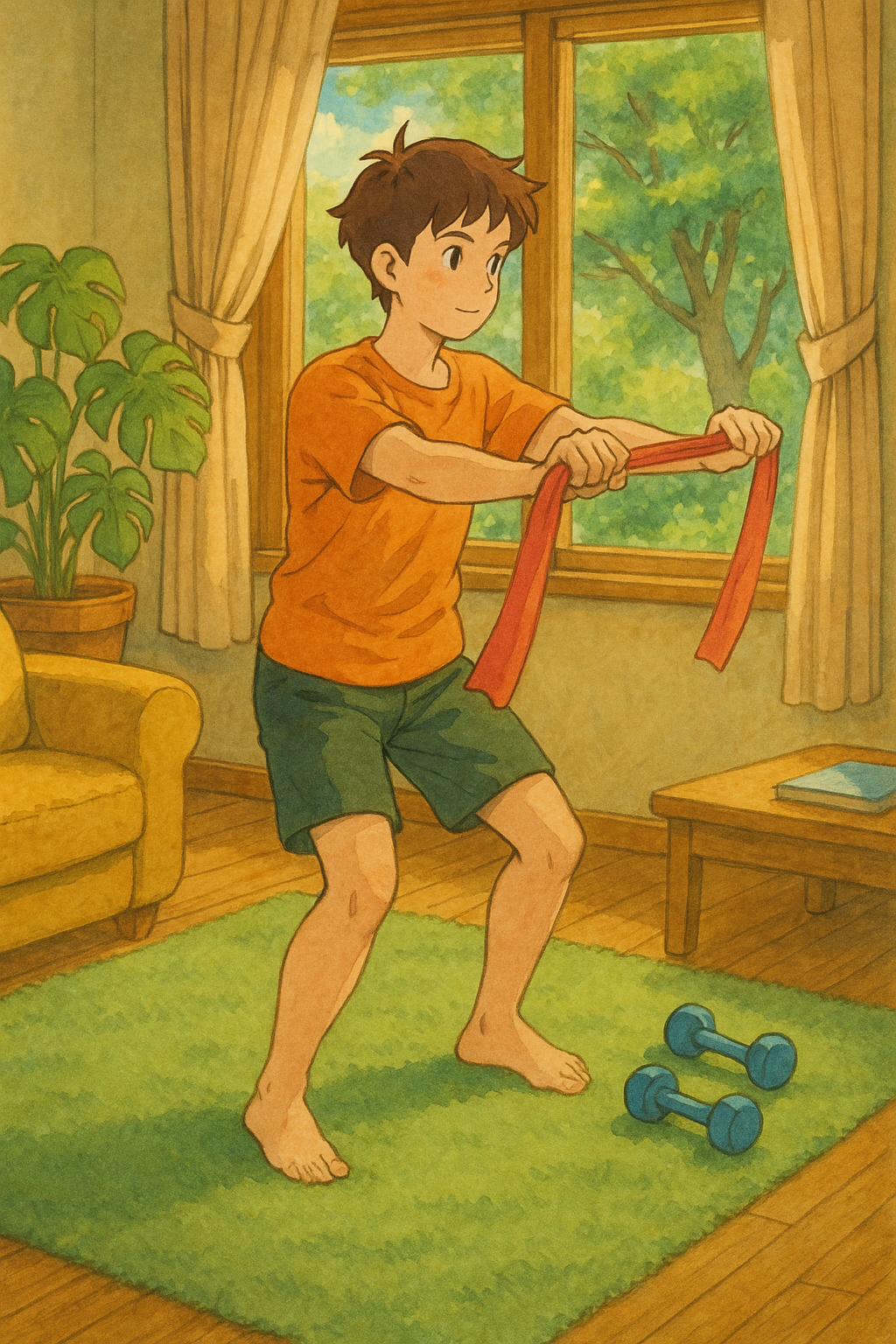
Why Home Exercises Are Essential in Physiotherapy
Exercises are essential in physiotherapy for certain conditions, where their impact on healing is almost as significant as that of sessions with the physiotherapist themselves. Indeed, between consultations, it is often through regular, precise, and adapted work that patients maximize their chances of recovery.
Some treatment protocols require a little equipment, but usually very simple: an elastic band, a dumbbell, or even, if you have a gym membership, pulleys can perfectly replace an elastic band if you don't have one at home. Otherwise, there are alternatives at home, but preferably, you should ask your physiotherapist for exercises adapted to the available equipment.
The 5 Main Categories of Exercises Prescribed in Physiotherapy
Range of Motion Exercises
These aim to restore mobility after an injury or immobilization (frozen shoulder, post-operative knee).
Example: arm circles, gentle flexion-extension.
Muscle Strengthening Exercises
To strengthen weakened or unbalanced muscle groups (quadriceps, hamstrings, back muscles).
Example: light squats, glute bridge, calf raises.
Proprioception and Balance Exercises
Essential after a sprain or to prevent falls in older people.
Example: single-leg stance, balance on an unstable surface, mini-trampoline.
Specific Stretches
To improve flexibility, reduce tension (tendinitis, lower back pain, neck pain).
Example: hamstring stretches, calf stretches, shoulder stretches.
Breathing Exercises
Especially after hospitalization, respiratory illness, or for post-Covid patients.
Example: diaphragmatic breathing, deep inspiration with a spirometer.

Practical Tips for Successfully Performing Your Exercises
💡 Progression
Often, this is not specified by physiotherapists, but it is useful to gradually increase the load or effort to strengthen the worked area. It is recommended to discuss this directly with your physiotherapist.
💡 Understanding the Movement
Before doing an exercise, you need to understand how it works and visualize the area to be worked on. During the exercise, concentrate on this area to maximize effectiveness.
💡 Pain Management
If not specified, establish with your physiotherapist the acceptable level of pain during exercises. For example, if they tell you that a pain level of 1 or 2 on the VAS scale is normal, but from 3 or 4 you need to review the movement, that's a warning sign. If the pain persists despite a correction, consult your physiotherapist again.
The Crucial Importance of the Physiotherapist in Choosing Exercises
The physiotherapist is the central pillar for your exercises between sessions. You should never randomly pick exercises from the internet or social networks based on your pain:
They may not be suitable.
They may not correspond to your actual injury.
They may worsen your condition.
The physiotherapist, on the other hand, will know what you really need and prescribe the truly adapted exercises for your recovery. Never hesitate to ask them all your questions: about pain, progress, alternatives, frequency... They are there for that!
An Innovative Tool to Better Support Patients Between Sessions
Markus Santé, a tool specially designed with physiotherapists, can be extremely useful for taking care of patients between sessions. Here's what it allows:
Assistance with exercise performance: tutorials, clear explanations, reminders at the desired time.
Answers to questions about the pathology or care: avoiding doubts or errors.
Automatic alerts to the physiotherapist in case of abnormal pain: quick intervention if necessary.
Summary of the patient's progress for the physiotherapist: better preparation for upcoming sessions, saving time and increasing efficiency.
With this digital support, patients and physiotherapists can collaborate even better to achieve rehabilitation goals.
Your Frequently Asked Questions About Rehabilitation Exercises
How long should I do the exercises?
This depends on your condition, but generally between 10 and 30 minutes per day, according to the program defined by your physiotherapist.
Is it serious if I miss a session?
No, but try to be consistent. Consistency is more important than occasional intensity.
Can I find exercises on YouTube?
It's best to avoid it: exercises must be adapted to your injury. Always ask your physiotherapist before following a video.
Does it have to hurt for it to work?
No! A slight discomfort can be normal, but significant pain is a warning sign.
When should I consult the physiotherapist again?
If the pain increases, if progress stagnates, or if you have doubts about performing the exercises.
Can I do more exercises than planned?
No, stick to the program. Doing too much can slow down healing.
Conclusion
Rehabilitation exercises are essential to reinforce the results of physiotherapy sessions. With the help of a professional and innovative digital tools, patients can progress safely, receive better support, and optimize their recovery. Never forget: the physiotherapist is your guide, your support, and your best ally on the path to healing.