The 5 Technologies Transforming Physiotherapy in 2025
Discover the 5 technologies transforming physiotherapy in 2025, including artificial intelligence, VR, AR, telehealth, and robotics. Stay at the forefront of your profession.
The year 2025 is shaping up to be a decisive turning point for physiotherapy. The rapid rise of new technologies is already transforming many sectors, and healthcare is no exception. From remote appointments to robotics, augmented reality, and artificial intelligence, technologies for physiotherapy are well and truly here.
In this article, we review 5 major technologies that are revolutionizing the physiotherapy profession, by improving patient monitoring, motivation, and outcomes.
Telehealth: Remote Rehabilitation Becomes Widespread
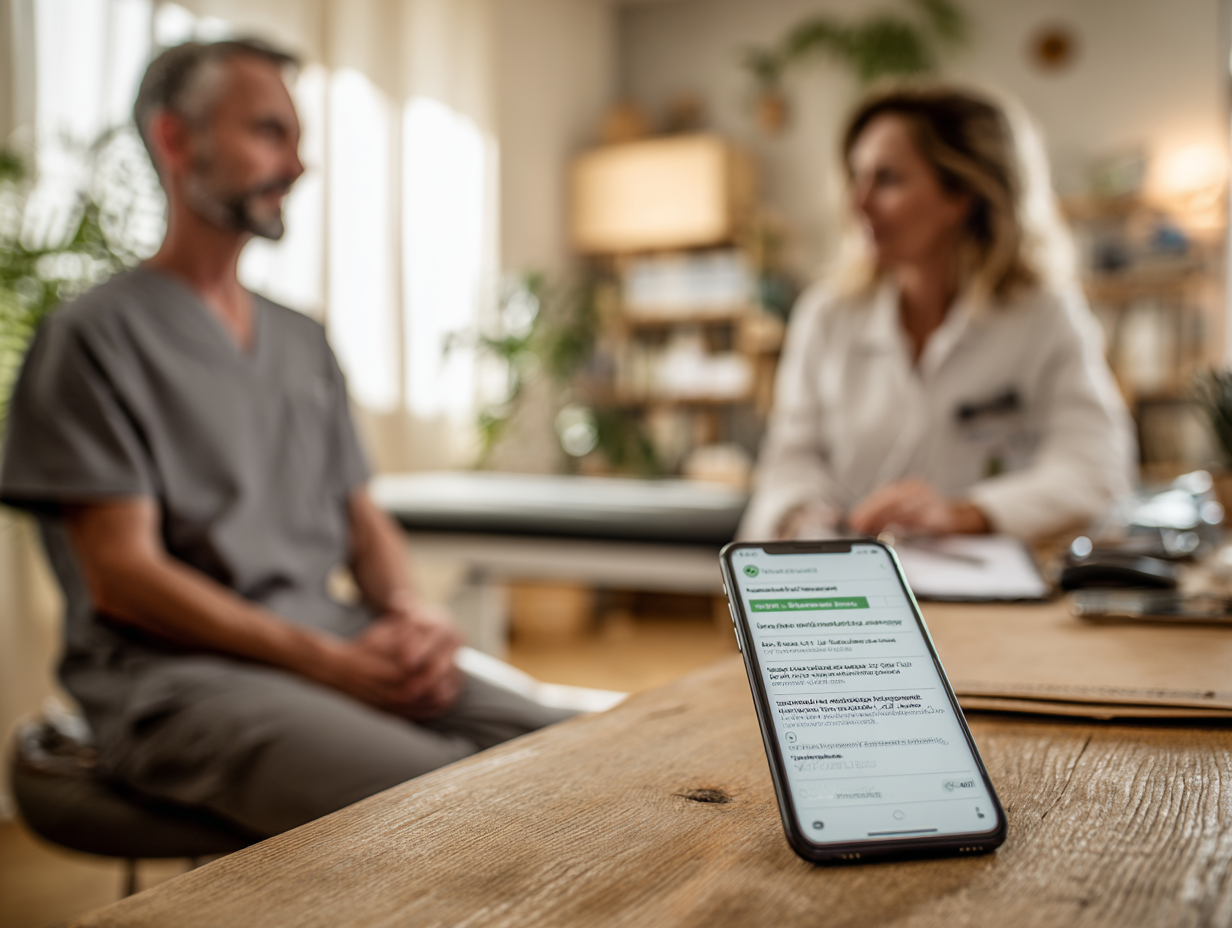
Telehealth is not new, but 2025 marks its entry into common practice thanks to certified, ergonomic platforms compatible with the constraints of the paramedical sector.
📱 Secure video consultations, often integrated with patient management tools.
👥 Remote exercise monitoring with sending of instructions or explanatory videos.
👨🦽 Useful for isolated, less mobile, or maintenance phase patients.
👉 Of course, some treatments require physical manipulation. But for light functional rehabilitation, telehealth has become a reliable, accessible, and effective solution.
Artificial Intelligence (AI): A Discreet but Powerful Ally
The term "AI" is on everyone's lips today, often incorrectly. But in the medical context, and particularly in physiotherapy, certified AI can truly change the game.
Concrete uses include:
🔎 Patient data analysis to generate clear summaries before each session.
🧠 Therapeutic decision support, based on treatment histories and clinical algorithms.
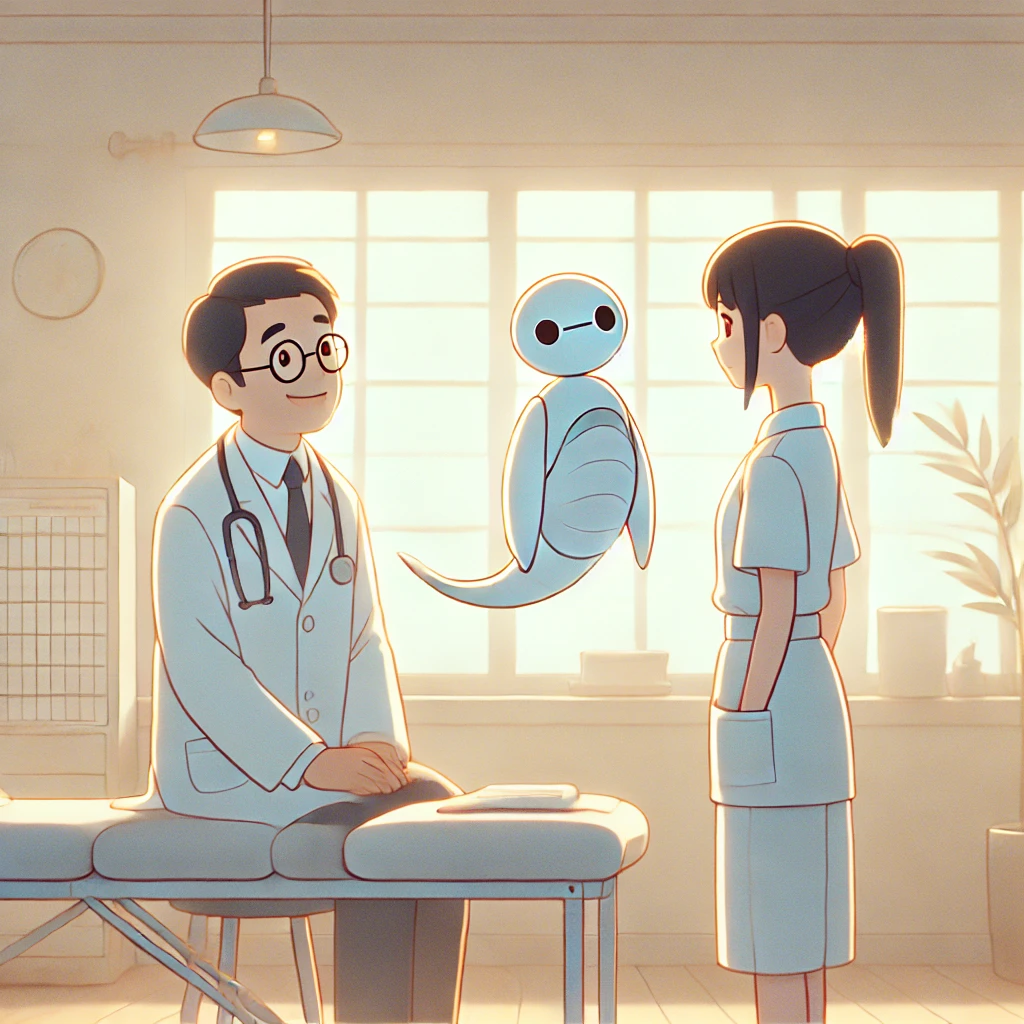
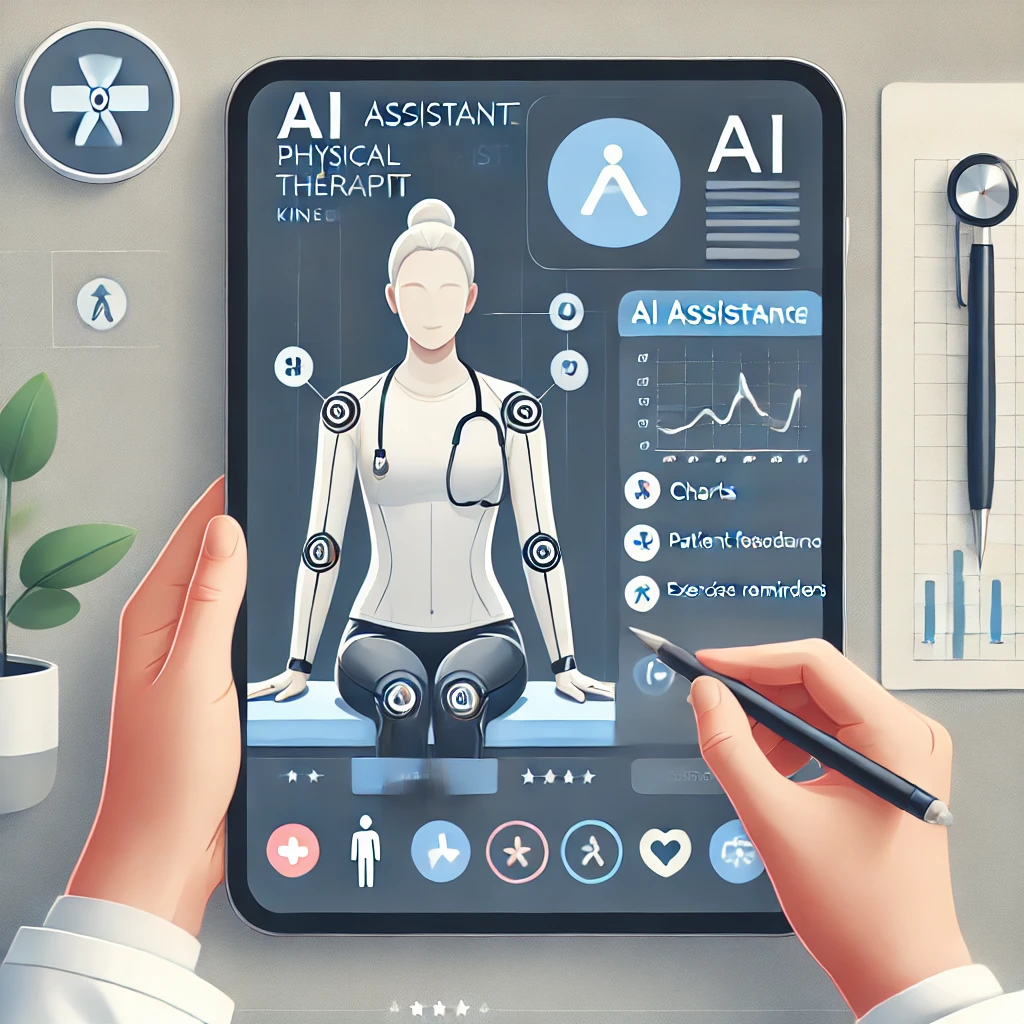
🤖 AI assistant for patient monitoring, like Markus Santé, which informs, reminds, and supports patients between sessions.
🛡️ Caution: to be used in healthcare, an AI must comply with GDPR, be hosted on HDS servers, and not use non-specialized tools like ChatGPT or Gemini.
Virtual Reality (VR) and Augmented Reality (AR): A New Therapeutic Immersion
Although often associated, VR and AR are two different and complementary technologies.
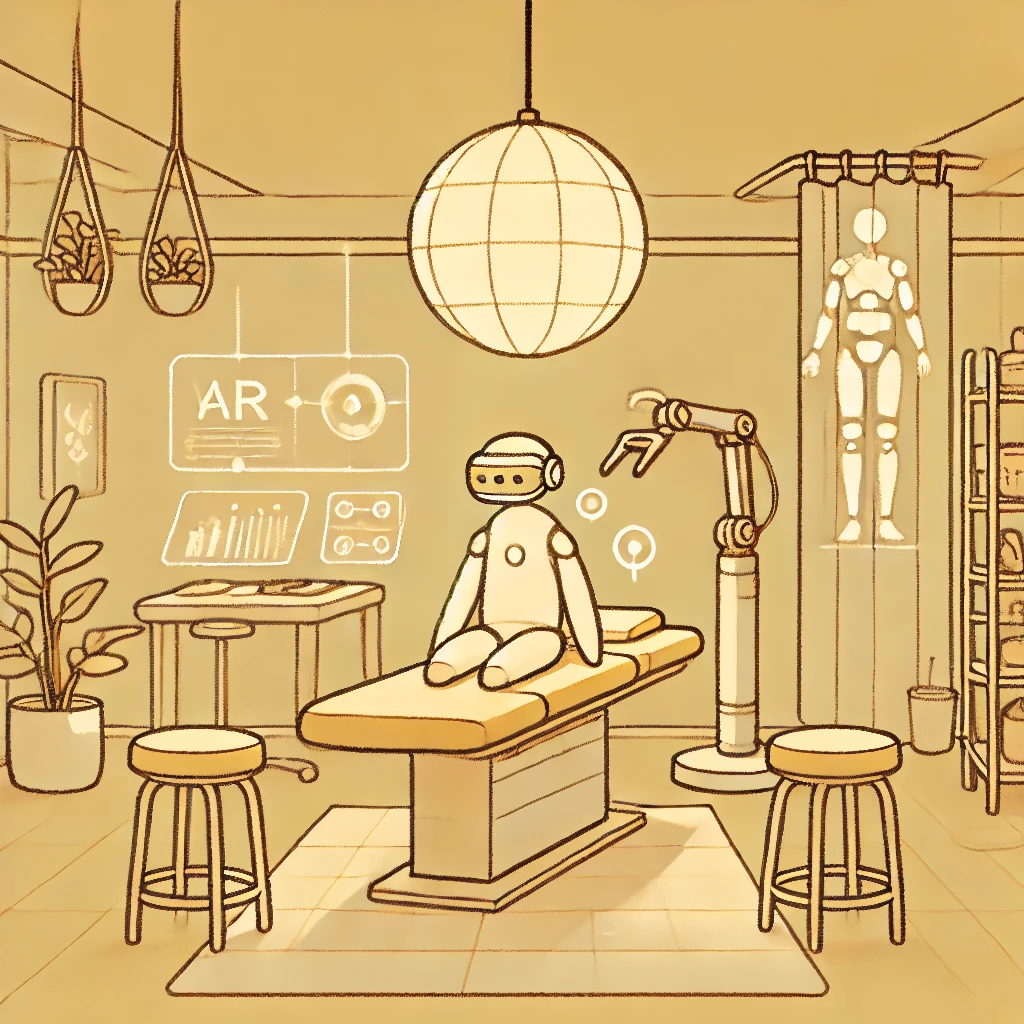
🎮 VR (Virtual Reality) completely immerses the patient in a fictional universe where they can perform fun and motivating exercises.
📲 AR (Augmented Reality) adds virtual elements to the real world, such as visual cues or corrective avatars.
Concrete applications in physiotherapy:
Interactive remote sessions, with real-time visual guidance.
Posture correction live through visual feedback.
Training of future physiotherapists via simulators and dynamic 3D anatomy.
These technologies make exercises more engaging, reduce treatment abandonment, and enhance understanding of movements.
Robotics and Connected Devices: Precision and Accelerated Recovery
Exoskeletons and robotic rehabilitation tools are no longer reserved for advanced hospitals. Their democratization now allows private practices to access them.
🤖 Assistance in performing complex movements, with unparalleled precision and repetition.
📡 Motion sensors to analyze performance in real time.
💡 Biofeedback to enhance patient engagement through visible progress indicators.
These devices improve the quality of care, offer quantified monitoring, and can be integrated into personalized protocols, adjustable session after session.

Accessibility and Personalization for Practices
All these innovations have long been perceived as costly or reserved for large structures. But in 2025, they are becoming more accessible, easier to use, and better adapted to the daily lives of physiotherapists.
💰 Reduced costs thanks to SaaS solutions (monthly subscription).
🔄 Integration with existing tools (calendar, patient file, messaging).
👨⚕️ Quick to learn, even for non-tech-savvy individuals.
The goal is not to replace the physiotherapist, but to give them more time for care, streamline the patient experience, and increase therapeutic impact.
Anticipating 2025 means preparing for greater success
The physiotherapy technologies of 2025 are not mere gadgets: they are powerful tools, serving the quality of care. Telehealth, AI, VR/AR, robotics… each technology brings concrete added value, whether in the clinic or remotely.
👉 Curious? Want to test concrete tools?
📩 Subscribe to our newsletter to stay informed about the latest innovations.
📞 Contact our team to discuss or discover our AI assistant in demonstration.